
Insurance Market Update: Why Home, Auto, and Umbrella Insurance Costs Are Rising
Understanding today's insurance trends, coverage changes, and how to avoid costly protection gaps.
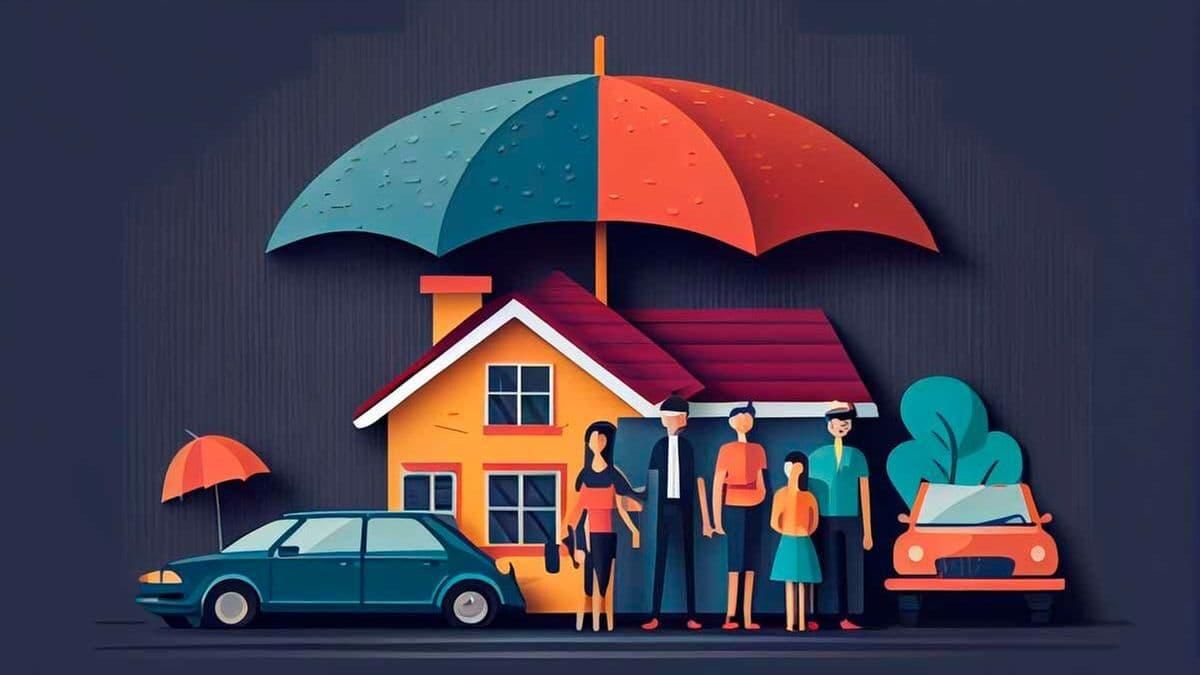
If you've reviewed your insurance renewal recently, you've likely noticed premiums continuing to rise. Across Ohio, Kentucky, Indiana, and much of the country, insurance companies are adjusting rates due to increasing claim costs, severe weather events, inflation, rising repair expenses, and larger liability settlements.
While higher premiums can be frustrating, choosing insurance based solely on price can create significant financial risks. Understanding today's insurance market can help you make informed decisions about protecting your home, vehicles, assets, and future.
Why Are Insurance Rates Increasing?
Several factors continue to impact insurance pricing across the country:
- Increased construction and labor costs
- Higher prices for building materials
- More frequent and severe weather events
- Rising vehicle repair expenses
- Increased medical costs
- Larger lawsuit settlements and jury awards
Even homeowners and drivers with no recent claims may experience premium increases because carriers must account for broader market trends and claim activity.
Home Insurance Trends and Roof Age Changes
One of the biggest challenges facing homeowners is the rising cost to repair or rebuild a home. Materials, labor, and contractor availability have all become more expensive in recent years.
At the same time, insurance companies have experienced significant losses from hail, wind, and storm-related claims throughout the Midwest.
As a result, many carriers are paying closer attention to roof age and condition.
Depending on the insurer, homeowners may encounter:
- Higher premiums for older roofs
- Wind and hail deductibles
- Inspection requirements
- Actual Cash Value (ACV) settlements instead of Replacement Cost coverage
- Coverage restrictions or replacement requirements
Many carriers begin applying additional scrutiny once a roof reaches 10 to 15 years of age. Understanding how your policy covers roof damage is more important than ever, as the difference between Replacement Cost and Actual Cash Value coverage can result in thousands of dollars of out-of-pocket expenses following a loss.
Auto Insurance Costs Continue to Rise
Auto insurance premiums have increased significantly due to higher repair costs and advances in vehicle technology.
Today's vehicles often include:
- Cameras
- Radar systems
- Collision avoidance technology
- Lane departure systems
- Advanced sensors
While these features improve safety, they also make repairs more expensive. What may have been a minor repair a decade ago can now require costly parts replacement, calibration, and diagnostics.
In addition, rising medical expenses and increased accident severity continue to place pressure on auto insurance rates.
Why Umbrella Insurance Matters More Than Ever
One of the most significant trends in today's insurance market is the increase in large liability claims.
Serious auto accidents, injuries on private property, and other liability-related incidents can easily exceed the limits found on standard home and auto policies.
An umbrella policy provides additional liability protection above those limits, often starting at $1 million of extra coverage.
You may benefit from umbrella insurance if you:
- Own a home
- Have teenage drivers
- Own rental property
- Have significant savings or investments
- Serve on nonprofit boards
- Want to protect future earnings and assets
For many households, umbrella insurance remains one of the most affordable ways to significantly increase financial protection.
The Risk of Choosing Coverage Based on Price Alone
When premiums rise, it's natural to look for ways to save money. However, not all cost-cutting measures are created equal.
Good ways to reduce insurance costs include:
- Bundling policies
- Increasing deductibles you can comfortably afford
- Taking advantage of discounts
- Reviewing coverage with an independent insurance agent
Potentially risky ways to reduce premiums include:
- Lowering dwelling coverage
- Reducing liability limits
- Removing important endorsements
- Eliminating umbrella coverage
- Choosing a policy solely because it has the lowest premium
The lowest price does not always provide the best value if critical protections are missing when a claim occurs.
Frequently Asked Questions
Why did my insurance premium increase if I haven't filed a claim?
Insurance premiums are influenced by broader market conditions including weather losses, inflation, repair costs, and regional claim activity. A premium increase does not necessarily mean there is an issue with your policy.
How old is too old for a roof?
Every insurance company has different guidelines, but many carriers begin evaluating roofs more closely once they reach 10 to 15 years of age.
Is cheaper insurance always worse?
Not necessarily. However, lower premiums often result from higher deductibles, lower coverage limits, fewer endorsements, or additional exclusions. Understanding those differences is critical.
How much umbrella insurance do I need?
Coverage needs vary by household, but many individuals choose limits that reflect their assets, future earnings, and overall financial exposure.
Key Takeaways
- Home and auto insurance costs are rising due to increased claim costs, inflation, and severe weather.
- Roof age has become a major underwriting factor for many insurance companies.
- Modern vehicle technology is increasing repair expenses and insurance claims.
- Umbrella insurance provides affordable protection against large liability claims.
- The cheapest policy is not always the best value if important coverages are reduced.
- Regular policy reviews can help ensure your protection keeps pace with today's risks.
The Bottom Line
The insurance market continues to evolve, and coverage decisions have never been more important. While finding competitive pricing matters, insurance should be viewed as a financial protection tool—not simply a monthly expense.
The goal isn't necessarily to find the cheapest policy. It's to find the right balance between affordability and protection.
At Armada Insurance & Retirement, we help individuals and families throughout Ohio, Kentucky, and Indiana compare options from multiple insurance companies and make informed decisions about protecting what matters most.